.png)
KDP Author Earnings in 2026 – How Much Do Self-Publishers Make?

KDP authors earn between $100 and $10,000 per month in 2026, with prolific self-publishers who have released 10+ books earning $1,000–$5,000/month in passive royalty income from Kindle eBooks, paperbacks, and Kindle Unlimited page reads. Kindle Direct Publishing (KDP) remains one of the most accessible passive income platforms — authors keep 35–70% royalties (compared to traditional publishing's 8–15%), publish in as little as 24 hours, and earn globally across Amazon's 15+ international marketplaces.
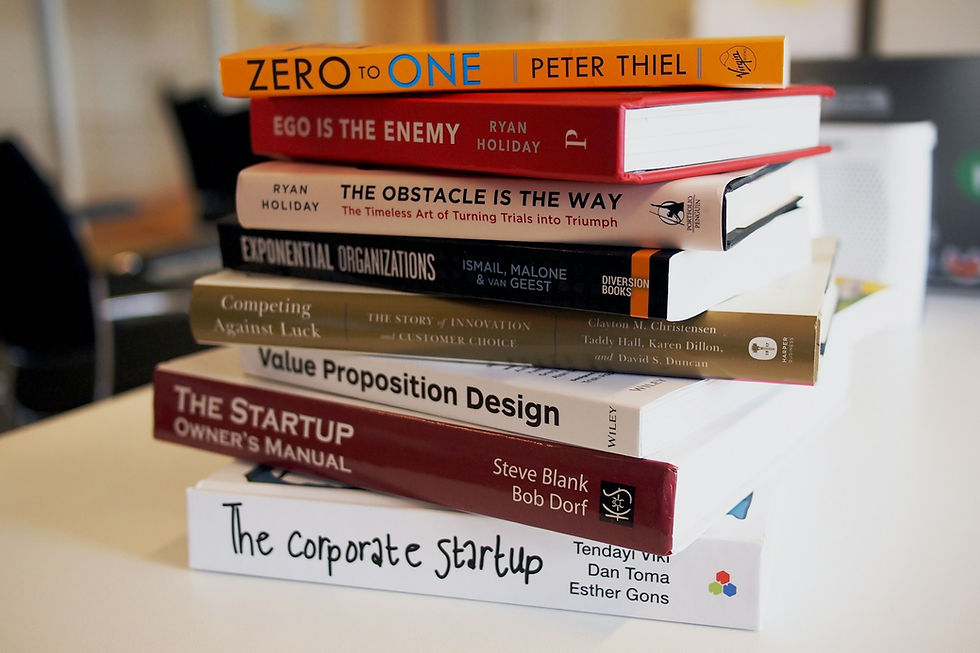
KDP Author Earnings at a Glance — 2026
Monthly KDP income depends heavily on catalog size. Authors with 1–3 books earn $10–$200/month at the early stage. A catalog of 4–10 books generates $100–$800/month. Authors with 10–30 books typically earn $500–$3,000/month, while those with 30–100 books reach $1,500–$8,000/month. The most prolific KDP authors with 100+ books in series or popular niches earn $5,000–$30,000+/month.
Income by format: Kindle eBook delivers the highest per-sale royalty (70% at the $2.99–$9.99 price point). Paperback via KDP Print earns $2–$6 royalty per copy after print costs. Kindle Unlimited (KU) pays $0.004–$0.005 per page read (KENP rate in 2026). Audiobook via ACX pays 25–40% royalty through Audible.
KDP competes directly with other self-publishing and digital product income streams. For comparison see how much do book authors make in 2026, which benchmarks KDP income alongside traditional publishing contracts, agent advances, and hybrid publishing deals.
KDP Royalty Rates Explained — 2026
eBook Royalties
KDP offers two royalty tiers based on list price. The 70% royalty tier is available for eBooks priced $2.99–$9.99 (enrollment in Kindle Select or global price matching required). The 35% royalty tier applies to eBooks priced outside the $2.99–$9.99 range or sold in ineligible countries.
Example: a $4.99 eBook at 70% royalty = $3.49 per sale. A $0.99 eBook at 35% royalty = $0.35 per sale. Most KDP authors price eBooks at $2.99–$4.99 to maximize royalty rate while remaining competitive.
Kindle Unlimited (KDP Select) Page Reads
KDP Select enrollment makes your eBook available in Kindle Unlimited (KU) — Amazon's subscription reading service. Instead of per-sale royalties, you earn per page read. The 2026 KENP (Kindle Edition Normalized Page) rate is approximately $0.004–$0.005 per page. A 300-page novel earns $1.20–$1.50 if read completely through KU. A dedicated KU reader base can generate thousands of page reads per day.
KDP Select pros: unlimited earnings potential with the right audience; free promotion tools (KDP Free days, Kindle Countdown Deals). KDP Select cons: exclusivity — you cannot sell the eBook on other platforms (Kobo, Apple Books, Google Play) while enrolled.
Paperback Royalties (KDP Print)
KDP Print offers print-on-demand paperback production. Authors set their list price and earn royalties after printing costs are deducted. Typical economics: a 250-page paperback (6×9 format) has a printing cost of approximately $3.65. At a $14.99 list price: 60% × $14.99 − $3.65 = $5.34/copy. At $9.99: 60% × $9.99 − $3.65 = $2.34/copy.
KDP publishing as a passive income source shares many characteristics with other digital product income models — see our comparison of Gumroad vs Payhip vs Lemon Squeezy for how selling digital products directly (off-Amazon) compares to KDP's royalty model in terms of platform fees, audience reach, and per-unit income.
KDP Income by Genre and Niche in 2026
Romance (Highest-Earning Fiction Genre)
Romance authors on KDP earn $1,000–$30,000/month for prolific authors. The genre has the strongest Kindle Unlimited readership with high page read volume. Romance series significantly outperform standalone titles — readers consume 5–20 romance novels per month through KU, making series income cumulative and compounding.
Self-Help and Personal Development
Self-help KDP authors earn $500–$10,000/month. Short books ($2.99–$4.99, 80–150 pages) sell at high volume. The lower word count enables faster publishing cadence — some authors release 2–4 titles per month in this niche.
Business and Entrepreneurship
Business and entrepreneurship books on KDP earn $300–$5,000/month. Premium pricing is possible at $9.99 for eBooks. The niche has lower competition than fiction and strong paperback sales — business readers often prefer physical books.
Low-Content Books (Journals, Planners, Notebooks)
Low-content KDP books earn $200–$3,000/month with no writing required. Authors design templates and upload covers and interiors. High-volume, low-margin — the strategy depends on publishing hundreds of variations across different niches and occasions.
Children's Books
Children's book authors on KDP earn $100–$2,000/month. Books are shorter with lower price points. Illustration costs range from $300–$1,500 per book depending on art style. Paperback and hardcover formats significantly outsell eBook in this category.
Fantasy and Science Fiction
Fantasy and sci-fi series authors earn $500–$8,000/month. The genre has a dedicated Kindle Unlimited readership. Writing series is extremely important — book 1 offered free or discounted drives income across the entire series catalog.
Non-Fiction How-To and Reference
Non-fiction how-to and reference books earn $200–$4,000/month per title, with evergreen demand that often outperforms fiction per-book over a 12+ month window. These books rank on Amazon searches and Google simultaneously, creating dual-channel discovery.
KDP Select vs Going Wide — Which Pays More?
KDP Select (Amazon exclusive) gives access to Kindle Unlimited income from page reads, free promotion tools (KDP Free days, Kindle Countdown Deals), 70% royalty in all Amazon markets, but restricts eBook sales to Amazon only.
Going wide (Kobo, Apple Books, Google Play, Smashwords) reaches non-Amazon readers — approximately 30% of the eBook market. There is no exclusivity restriction and you can sell on all platforms, but you lose access to KU page reads, which represent 30–50% of income for many Select authors.
Verdict: most fiction authors in romance, fantasy, and thriller earn more in KDP Select due to KU page reads. Non-fiction authors and those with existing platforms — newsletter, social media, or a website — often earn more going wide.
KDP authors who want to maximize income should consider building a direct author platform alongside Amazon — see our guide on how to monetize a blog in 2026 for how author blogs can generate affiliate income, reader mailing lists, and direct book sales that complement KDP royalties.
Best Tools for KDP Authors in 2026
Kindle Direct Publishing — Amazon's self-publishing dashboard — upload, price, and manage eBooks and paperbacks
Publisher Rocket — KDP keyword and category research tool — find low-competition niches and categories to rank in
Scrivener — industry-standard book writing software for long-form manuscripts
Atticus — book formatting tool for both eBooks and print — exports correctly for KDP upload
Canva — quick book cover design — many successful KDP authors use Canva for professional covers
Dave Chesson (Kindlepreneur) — the most comprehensive free resource for KDP strategy, keyword research, and income optimization
BookBub — book promotion platform for discounted/free promotions — best way to drive KDP rank and reviews
Selling digital products alongside your KDP books can dramatically increase per-reader income — platforms like Gumroad, Payhip, and Lemon Squeezy let you sell workbooks, companion guides, and templates at full margin without Amazon's royalty split.
Frequently Asked Questions
How much do KDP authors make per month in 2026?
KDP authors earn $10–$30,000+/month in 2026 depending on catalog size, genre, and marketing. Authors with 1–3 books earn $10–$200/month. Those with 10–30 books earn $500–$3,000/month. Prolific authors with 50–100+ books in popular niches (romance, self-help, business) earn $5,000–$30,000+/month from combined eBook sales and Kindle Unlimited page reads. The most successful KDP authors consistently publish new books to maintain algorithm visibility.
What percentage does KDP take from book sales?
KDP takes 30% of eBook revenue for books priced $2.99–$9.99 (authors keep 70%). For books outside this price range, KDP takes 65% (authors keep 35%). For paperbacks, KDP takes 40% of the list price after printing costs are deducted. Compared to traditional publishing (where authors keep 8–15% of net receipts), KDP's royalty rates are dramatically more favorable for authors who control their own marketing.
What KDP niches earn the most in 2026?
The highest-earning KDP niches in 2026: romance series ($1,000–$30,000/month for prolific authors, driven by KU page reads), self-help and personal development ($500–$10,000/month, short books sell at high volume), business and entrepreneurship ($300–$5,000/month, premium pricing), and low-content books like journals and planners ($200–$3,000/month with no writing required). Romance dominates KDP income because Kindle Unlimited readers consume 5–20 romance novels per month.
How long does it take to make $1,000/month on KDP?
Most KDP authors take 12–24 months to reach $1,000/month consistently. The fastest path: publish 10+ books in a popular series within 6–12 months, enroll in KDP Select for Kindle Unlimited income, and run Amazon Ads. Authors who publish 1–2 books and wait typically earn $20–$100/month indefinitely. The income tipping point for most KDP authors is 10–15 published books — after which each new book benefits from an established catalog and author rank.
Is KDP still worth it for new authors in 2026?
Yes — KDP remains the best self-publishing platform in 2026 with the largest eBook readership (Kindle accounts for 67% of US eBook sales). The market is competitive in popular genres, but profitable niches exist in non-fiction how-to, romance sub-genres, and low-content books. New authors who succeed in 2026 focus on: (1) series over standalone books, (2) KDP Select enrollment for KU income, (3) consistent publishing cadence (1+ book per month in fiction), and (4) strong book covers and keyword-optimized titles.


Comments